How much we save universities
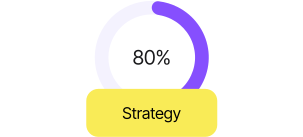
Universities save up to 80% on grading costs while improving consistency and speed across departments




80% Cost Reduction
Universities save on grading labor costs annually
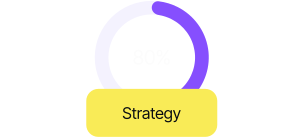
Universities save up to 80% on grading costs while improving consistency and speed across departments
80% Cost Reduction
Universities save on grading labor costs annually
Streamlined assessment workflows that reduce administrative overhead and improve faculty productivity
80%
80% time saved
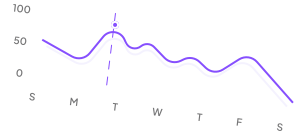
Track and analyze how universities benefit from automated grading and assessment solutions
Trusted by 1k+
Automated Extraction
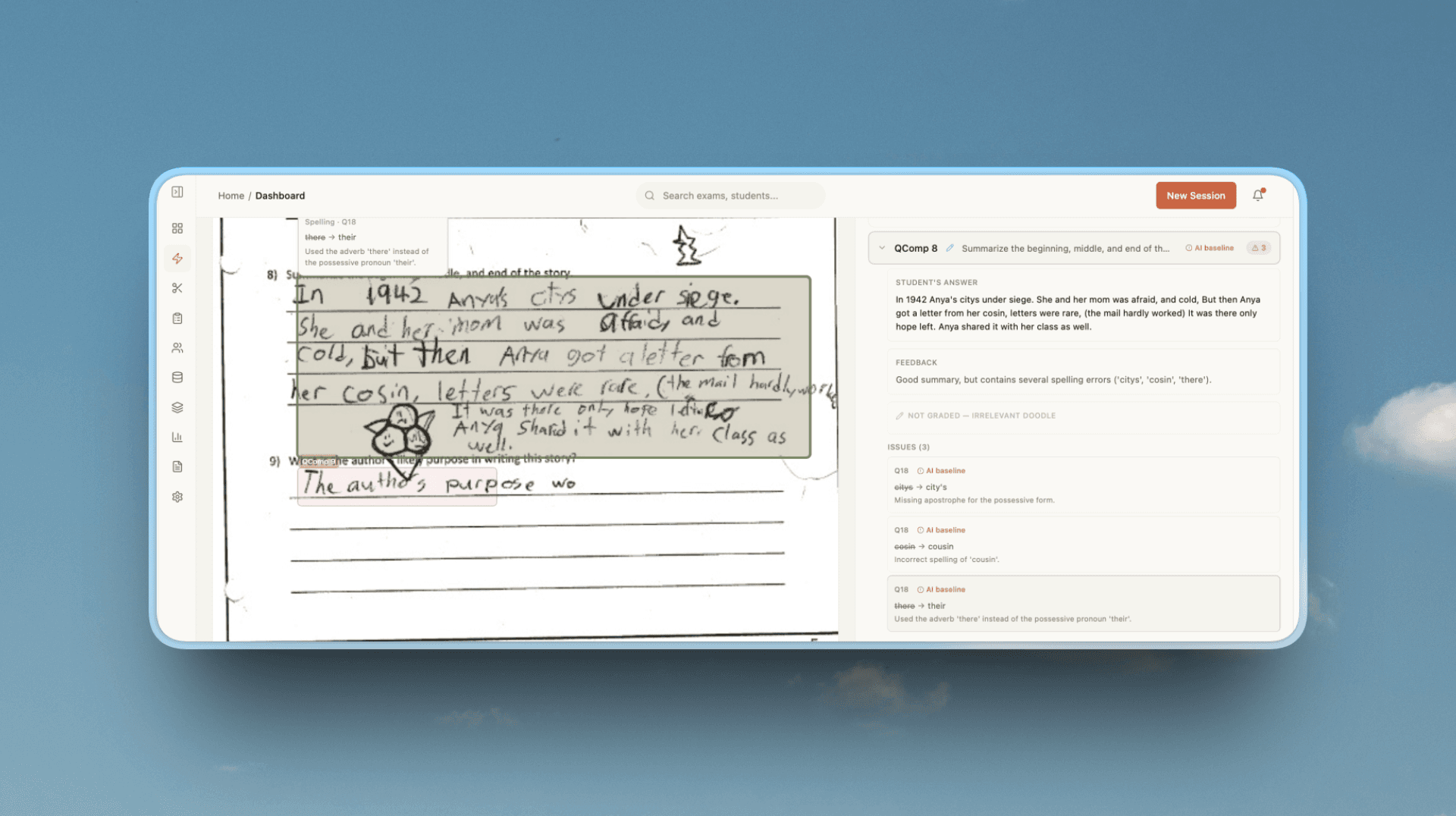
Instantly converts scanned exam papers into structured digital data. Our AI automatically identifies and maps student information, question numbers, and answer regions. No manual setup required.
30+ Languages
Arabic, Chinese, German & more
Compare & Validate
Complete control over results
Understands Every Answer
Intelligently processes diverse answer formats from handwritten essays to diagrams and mathematical equations. Adapts to any exam layout while maintaining accuracy across question types.
From handwritten essays to digital quizzes, GradeLab handles it all with the same precision and speed.

.png&w=640&q=75)





Everything you need to automate grading with AI accuracy and teacher control.
Grade 200 handwritten exams in under 30 minutes. What takes 4 hours manually now takes 20 minutes with AI.
99%+ accuracy in reading handwritten answers across all subjects. Trained on millions of real student exams.
On-premise deployment keeps your exam data secure within your institution. Zero cloud dependency.
Grade essays, math problems, diagrams, MCQs, and mixed formats. Supports 30+ languages including Arabic and Chinese.
Review and adjust any AI grade with one click. You stay in control while AI handles the heavy lifting.
See class performance, question difficulty, and student progress the moment grading completes. Spot trends instantly.
That answer on question 5 might be a 4 or a 1 depending on whether that smudge is a 7 or a 2. You hold the paper up to the light, you compare it to other answers by the same student, and you spend more time deciphering than evaluating. By the time you decide on a mark, you have forgotten what the question was asking.
Then there is the student who writes in a mix of cursive and block letters. The one who writes so small you need a magnifying glass. The one whose 4 looks like a 9 and whose 1 looks like a 7. You do your best. You give them the benefit of the doubt. But the benefit of the doubt is not consistent, and it is not fair to the students whose handwriting happens to be neat.
Handwritten exam grading with AI means the OCR reads the handwriting for you. Not perfectly, not every time, but well enough that you get a suggested mark and the reasoning behind it. You review it, you override it if needed, and you move on. No more holding papers up to the light.
You can add custom instructions so the AI grades the way you would. Tell it to award method marks even if the final answer is wrong. Tell it to deduct for missing units in physics. Tell it to give credit for a correct approach even if the arithmetic failed. The AI applies your instructions on every paper, whether it is the first one or the two-hundredth.
Handwritten exam grading with AI is software that reads handwritten answer sheets using Optical Character Recognition, maps each answer to the correct question, applies your rubric and custom instructions, and suggests a mark for every answer. You review the suggestions, focus on the flagged answers, and approve before results reach students.
This is not a multiple-choice auto-grader. GradeLab evaluates essays, short answers, mathematics with step-wise working, science problems, and mixed-format booklets. It reads handwriting, not just typed text. It awards partial credit. It recognises alternative valid approaches. And it flags every answer it is not sure about so you can review it.
If the AI cannot read a section of handwriting, it does not guess. It flags that specific area and sends it to your review queue. You look at the original scan, make the call yourself, and move on. No student is penalised for having handwriting that a machine could not read.
Upload scanned answer sheets or phone photos. GradeLab reads the handwriting, maps answers to questions, applies your rubric, and flags the ones it cannot read for your review.
Watch how AI grading and online assessment work end-to-end, from upload to results.
GradeLab reads the handwriting your students actually produce, from neat cursive to rushed scribbles, and grades every answer against your rubric with your custom instructions.
OCR trained on thousands of handwriting samples reads cursive, block lettering, and mixed styles. No more deciphering, just evaluation.
Upload scans from an office scanner or photos from your phone. As long as the text is clear and well-lit, the AI reads it.
The AI recognises mathematical notation and scientific formulas, evaluates step-wise working, and awards partial credit where it is earned.
Upload a batch of PDFs or images. The system organises pages by student name or ID so you can review the whole class in one session.
If a section is illegible, the AI flags it instead of guessing. You review the original scan, make the call, and no student is penalised for unique handwriting.
Upload your rubric. Add custom instructions in plain English. The AI applies your rules consistently on every paper, whether it is paper 1 or paper 200.
GradeLab suggests. You decide. Override any mark, rewrite any feedback, add your own notes. Nothing reaches a student until you approve it.
Every student gets specific feedback on where they lost marks and what to study next. You can edit it before release so it sounds like you wrote it.
When a student challenges a mark, the original answer, the rubric, the AI reasoning, and your override are all visible. Export it as a report for the appeals committee.
A side-by-side comparison of what changes when you switch from reading handwriting by hand to AI handwritten grading with GradeLab.
| Metric | AI Handwritten Grading (GradeLab) | Manual Grading |
|---|---|---|
| Time per class | Under 10 minutes for suggestions, then your review | 4 to 8 hours deciphering and grading |
| Handwriting reading | OCR trained on thousands of handwriting styles | You hold papers up to the light and guess |
| Consistency | Same rubric applied the same way on every paper | Benefit of the doubt varies by paper and by fatigue |
| Feedback | Specific feedback for every student on every question | A mark, if you have time to write one |
| Audit trail | Original scan, rubric, AI reasoning, and your override | Limited to written annotations on the paper |
| Languages | Reads 15+ handwriting styles and regional scripts | Only the languages you read fluently |
Explore our AI handwritten grading platform, compare AI grading workflows, or try our handwritten answer sheet checking software online.
Governments, institutions, and AI ecosystems worldwide. Delivering secure, scalable, and accurate handwritten assessment solutions.
Official assessment workflows for certified exam bodies and large-scale handwritten examinations.
.30c80c0c.png&w=1920&q=75&dpl=dpl_6rwTb7UZnMwtKBhT2MmJXdceYGQu)
Enterprise-grade AI grading deployed for national-level academic and workforce assessments.
Fine-tuned OCR and grading models built specifically for real-world exam handwriting.
From scanned paper to suggested mark in minutes
Upload scanned answer sheets or take photos with your phone. GradeLab auto-detects pages, orientations, and answer zones. No special scanners required.
GL-OCR reads handwritten responses, normalises layout noise, and structures each answer by question number, even across multi-page booklets.
Answers are graded using your rubric and custom instructions. Write your rules in plain English and the AI follows them on every paper. Low-confidence answers are flagged for your review.
Review flagged answers, adjust scores where needed, and release question-level feedback to students. Export results to your LMS or CSV with a full audit trail.
Yes. GradeLab uses OCR trained on thousands of handwriting styles to read handwritten answer sheets. It reads the handwriting, maps each answer to the correct question, applies your rubric, and suggests marks. You review and approve before results go out. If the AI cannot read a specific section, it flags it for your attention instead of guessing.
GradeLab is trained on diverse handwriting styles including cursive, block letters, and everything in between. It is not perfect, and it will flag anything it is unsure about. But it is good enough to give you a suggested mark and the reasoning behind it, so you can review it in seconds instead of squinting at it for minutes.
No. A decent phone photo or standard office scanner is enough. As long as the text is legible and well-lit, GradeLab can process it. Upload individual photos or a full batch from the scanner.
Yes. You write your rules in plain English and GradeLab follows them on every paper. For example: "award method marks even if the final answer is illegible but the working is clear" or "deduct one mark if the student did not show working." The AI applies your instructions consistently.
If the AI cannot read a specific section, it flags that answer for your review. You see the original image, the attempted transcription, and the applied rubric. You make the call yourself. No student is penalised for messy handwriting without a human looking at it.

Thomas Braun
Lecturer, Pure Mathematics, Germany
My students write formal mathematical proofs. On a convergence proof question, GradeLab correctly identified whether the quantifier structure was right, whether the chosen bound worked, and where the logical chain broke. It did not just check the final line. That is the part that matters.
Dr. Isabelle Fontaine
Associate Professor, Theoretical Physics, France
GradeLab evaluated a wavefunction normalisation problem across 140 papers and correctly flagged eleven cases where students had a correct final integral but had used the wrong boundary condition. That is precise, subject-aware marking.
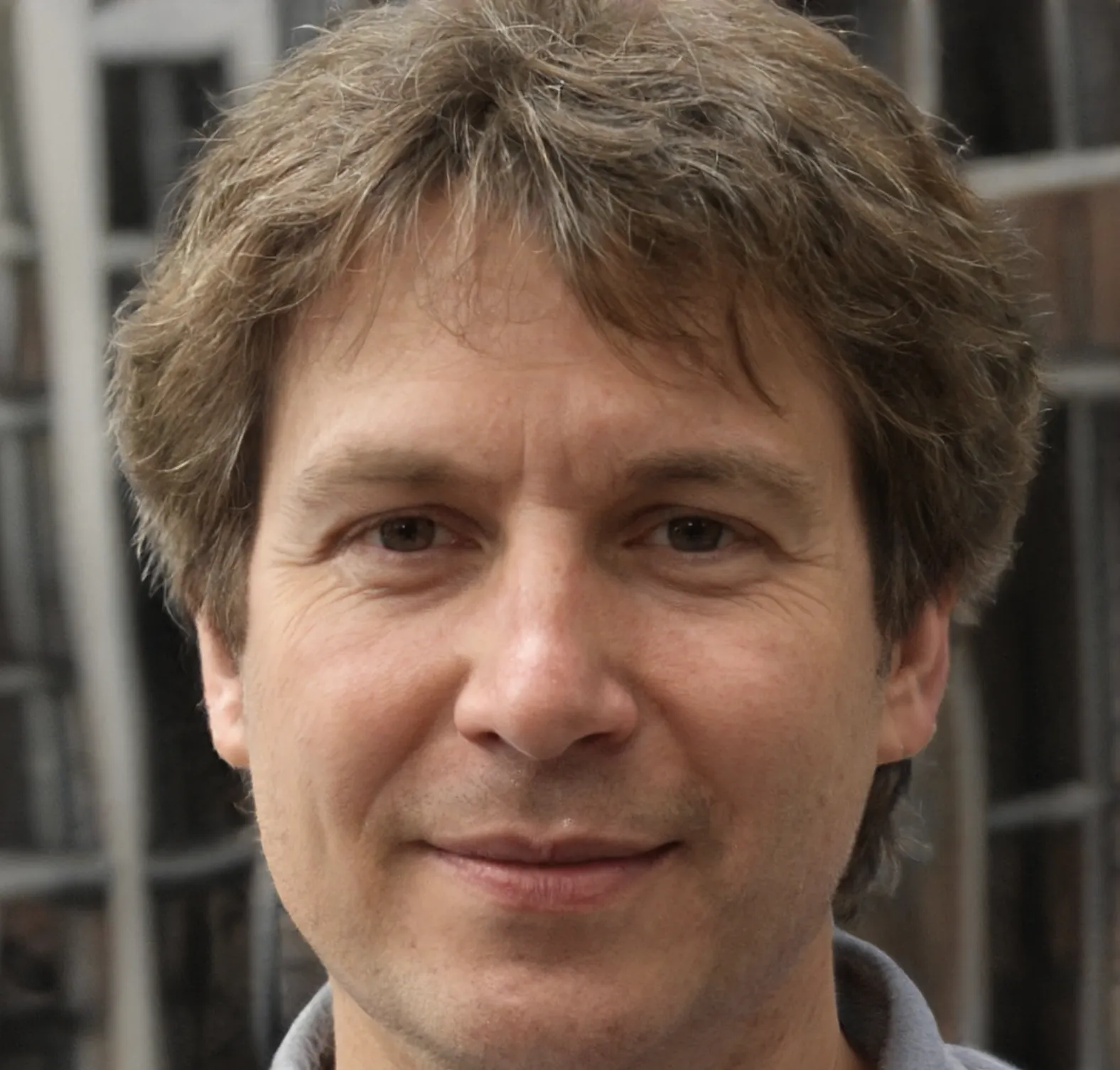
Prof. James Fletcher
Mechanical Engineering, Thermodynamics, USA
GradeLab evaluated a question on entropy generation in a throttling process and correctly identified which students had omitted the system definition, which had applied the steady-flow energy equation incorrectly, and which had confused entropy change with entropy generation. That distinction matters in this subject and it caught it reliably.
Thomas Braun
Lecturer, Pure Mathematics, Germany
My students write formal mathematical proofs. On a convergence proof question, GradeLab correctly identified whether the quantifier structure was right, whether the chosen bound worked, and where the logical chain broke. It did not just check the final line. That is the part that matters.
Dr. Isabelle Fontaine
Associate Professor, Theoretical Physics, France
GradeLab evaluated a wavefunction normalisation problem across 140 papers and correctly flagged eleven cases where students had a correct final integral but had used the wrong boundary condition. That is precise, subject-aware marking.
Prof. James Fletcher
Mechanical Engineering, Thermodynamics, USA
GradeLab evaluated a question on entropy generation in a throttling process and correctly identified which students had omitted the system definition, which had applied the steady-flow energy equation incorrectly, and which had confused entropy change with entropy generation. That distinction matters in this subject and it caught it reliably.
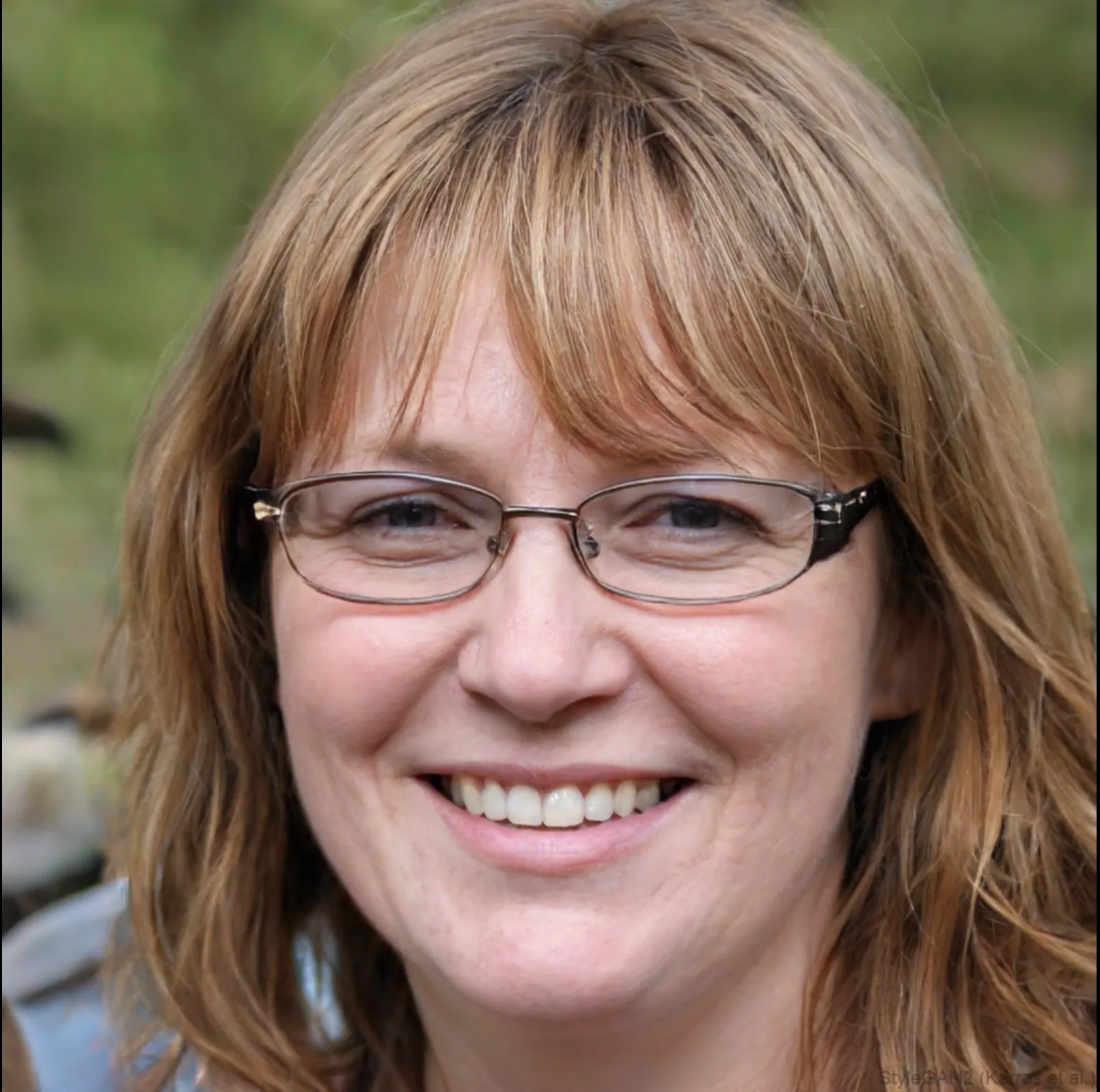
Sophie Laurent
Science Teacher, Lycée Henri IV, Paris
Before GradeLab, I spent every Sunday grading papers instead of being with my family. Now I upload the batch on Friday evening and by Saturday morning, every student has already seen their feedback. That part still surprises me.
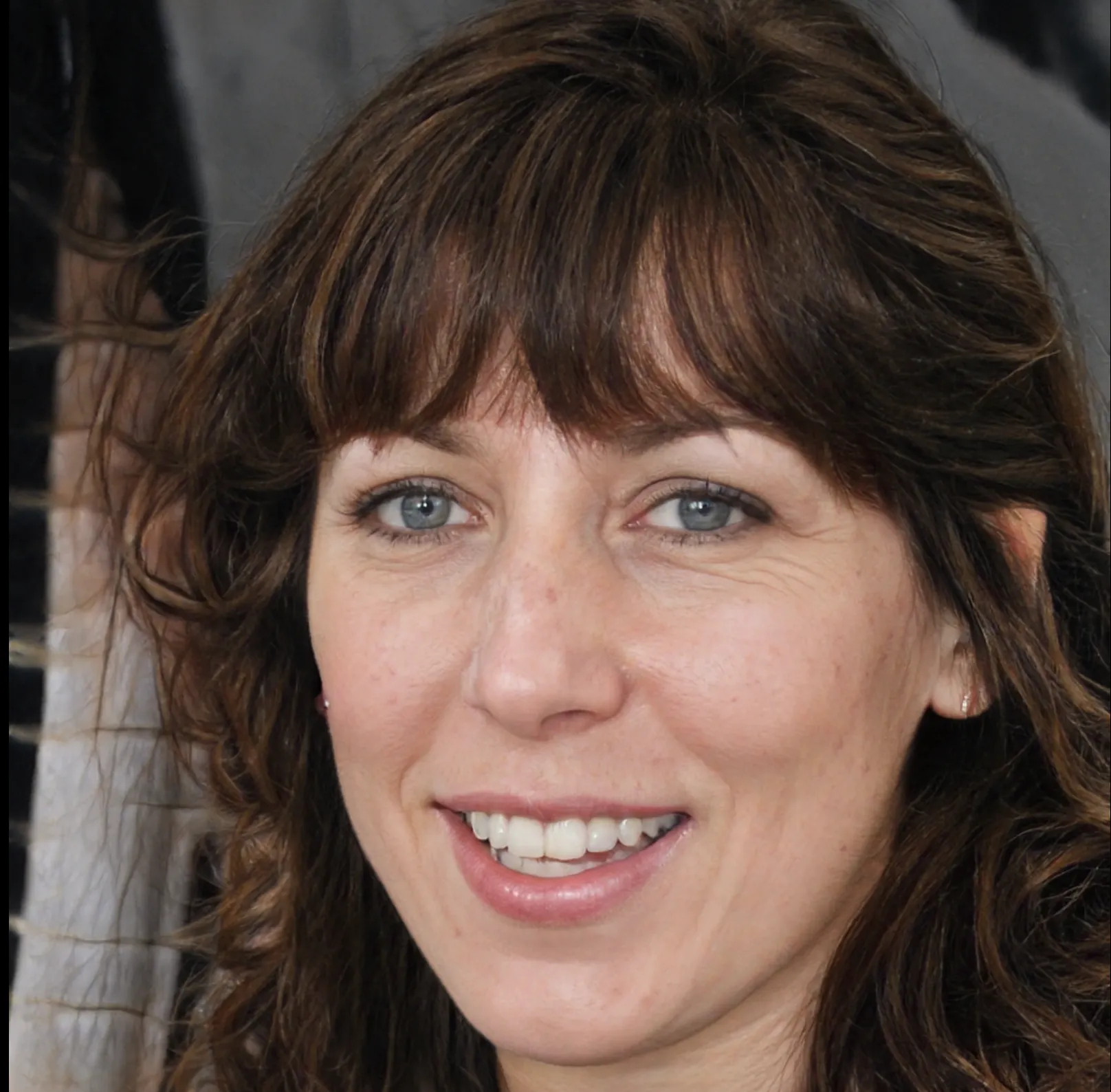
Maria Santos
Teacher, Escola Internacional de Lisboa
I teach four classes with 35 students each. I genuinely could not keep up with grading. GradeLab didn't just save me time - it gave me back the ability to actually know where each student was struggling.

Sarah Mitchell
Head of Academics, Wellington Grammar School
We trialled several edtech platforms before GradeLab. What stood out was that it wasn't just grading software - the student feedback loop was instant, and the quality reports for governors were exactly what we needed.
Sophie Laurent
Science Teacher, Lycée Henri IV, Paris
Before GradeLab, I spent every Sunday grading papers instead of being with my family. Now I upload the batch on Friday evening and by Saturday morning, every student has already seen their feedback. That part still surprises me.
Maria Santos
Teacher, Escola Internacional de Lisboa
I teach four classes with 35 students each. I genuinely could not keep up with grading. GradeLab didn't just save me time - it gave me back the ability to actually know where each student was struggling.
Sarah Mitchell
Head of Academics, Wellington Grammar School
We trialled several edtech platforms before GradeLab. What stood out was that it wasn't just grading software - the student feedback loop was instant, and the quality reports for governors were exactly what we needed.